In order to anticipate and satisfy the needs of paper users and consumers, Arjowiggins Graphic has put innovation at the heart of its development policy.
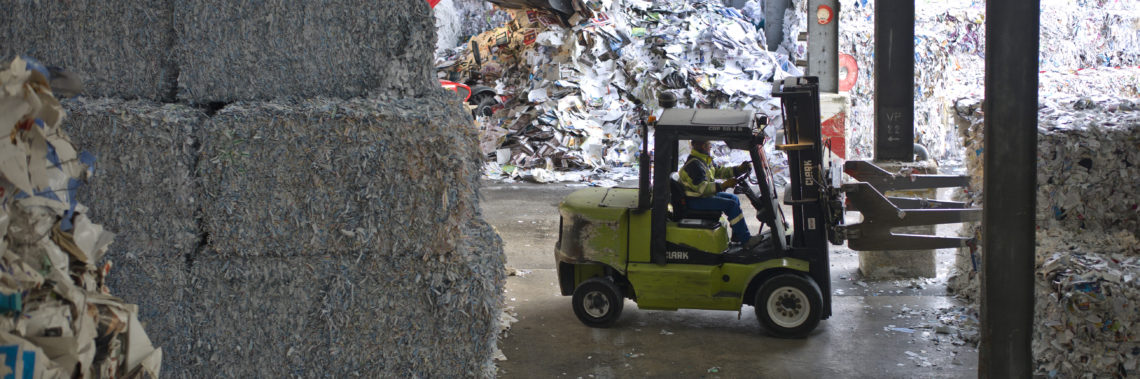
The Greenfield de-inking plant rigorously selects the waste paper it re-uses, focusing exclusively on very high-quality papers :
Thus ensuring that the recycled pulp produced is of a very high quality and extremely white.
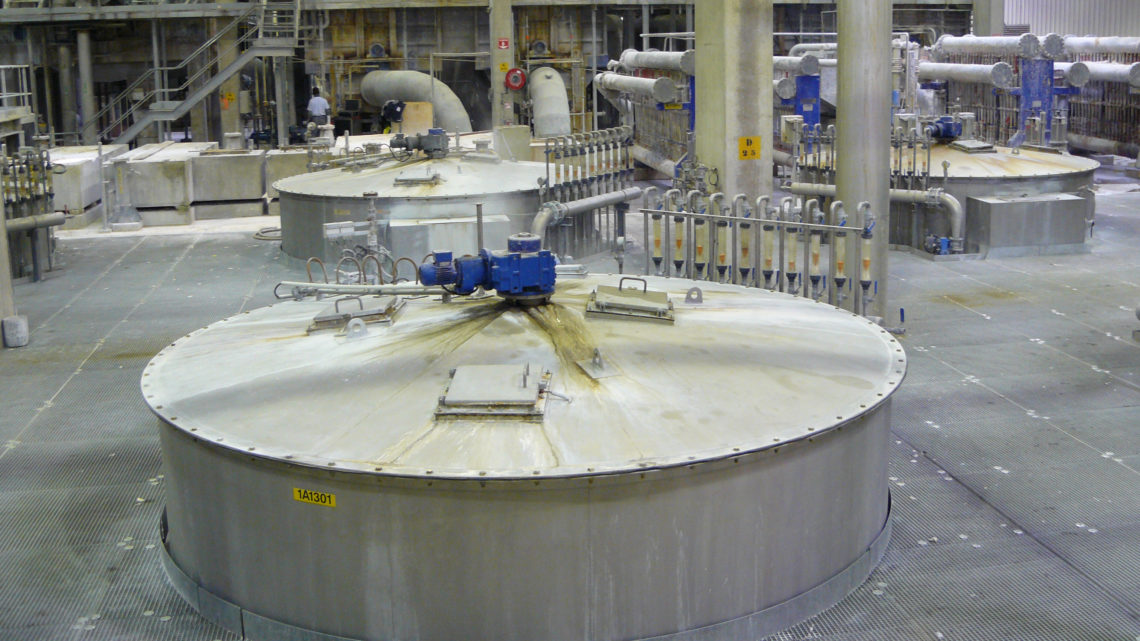
The recycled pulp undergoes 3 separate cleaning loops specially designed to effectively de-ink the paper without the use of chlorine.
The result is an extremely white recycled pulp with the highest brightness and lowest dirt content on the market:
From 1 tonne of waste paper, Greenfield plant can produce as much as 650kg of recycled pulp
Founded in 1824, the Bessé Sur Braye mill is the main production site of Arjowiggins Graphic, situated to the south-west of Paris.
The production process is controlled by a hi-tech system of continuous real time measurements with computer-controlled adjustment. This is supplemented with strict and continuous checking by the machine operators, laboratory testing of the paper at all stages of production and statistical analysis of product and process data.
 |
 |
 |
 |
 |
 |
 |
 |
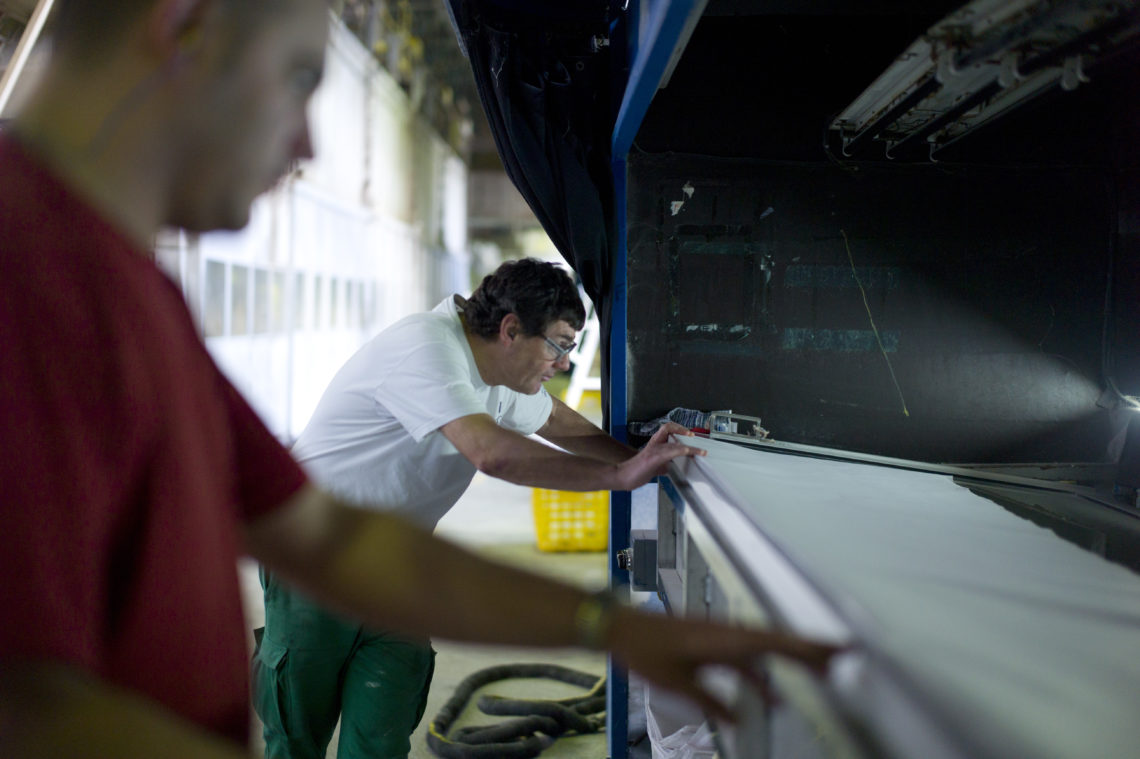
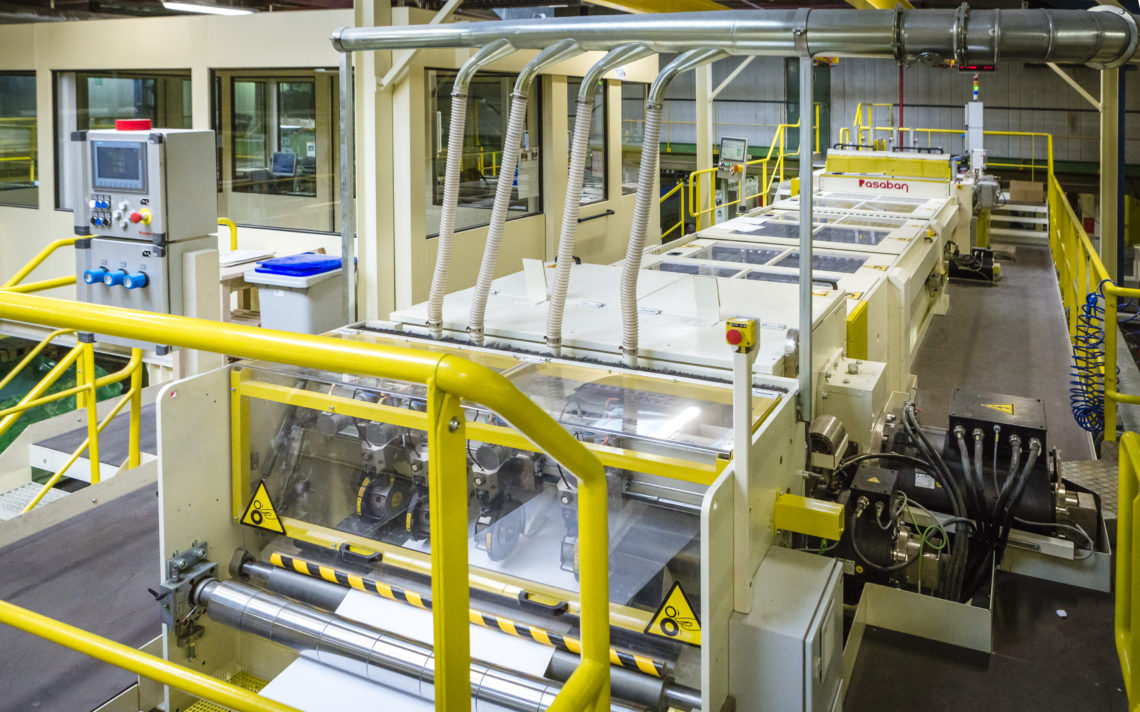
 Arjowiggins graphic invested in a new production line that is capable of producing new digital formats with optimum quality and a high level of productivity.
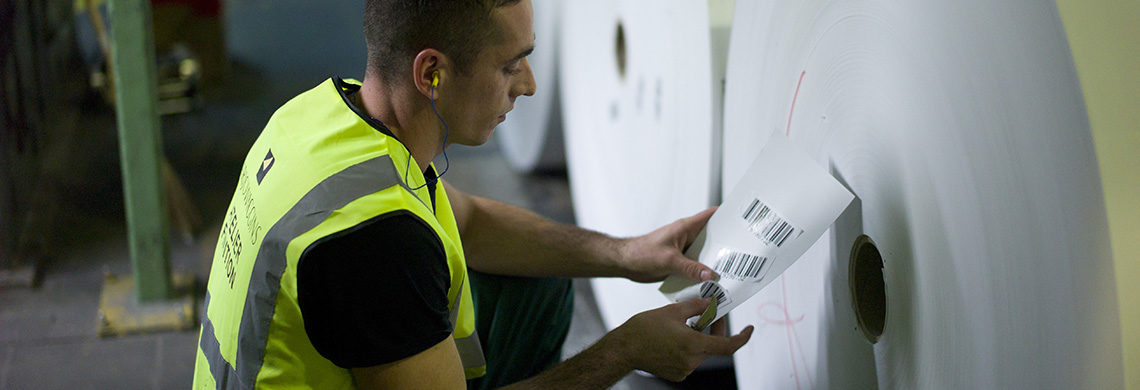
A state of the art digital cutting and wrapping line at Bessé-sur-Braye mill, ensuring very restrictive sheet specifications (max +/-0.5mm) and perfect squareness
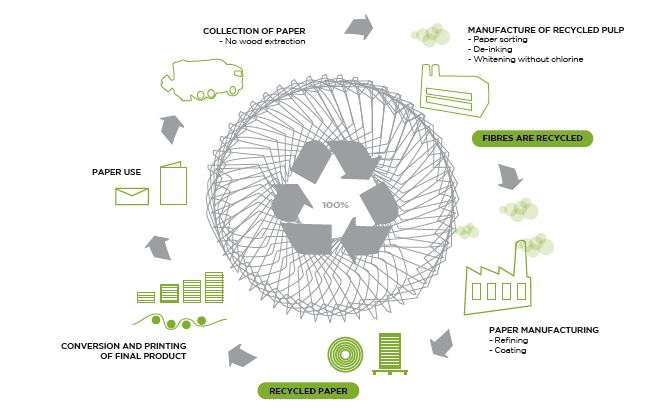
The lifecycle of recycled paper can be repeated 4 to 5 times before the cellulose fibres that form a sheet of paper become too short for paper-making. The lifecycle highlights recycled paper as the greenest option for printed communications. The process makes environmental savings such as:
Recycling creates up to ten times more jobs in comparison to sending waste to landfill.